The Metropoliz inhabits a former salami factory on the eastern edge of Rome that was squatted in 2009 and has since housed around 200 people.
The Metropoliz inhabits a former salami factory on the eastern edge of Rome that was squatted in 2009 and has since housed around 200 people. In 2012, to protect both the building from demolition and its inhabitants from eviction, curator Giorgio de Finis invited artists to transform the squatted factory into a museum of a different sort: the Museo dell’Altro e dell’Altrove di Metropoliz (Museum of the Other and the Elsewhere; MAAM). With murals, paintings, and installations by more than 450 artists from around the world, MAAM became an important center for contemporary art on the outskirts of Rome. Following years marked by the threat of eviction and demolition, a breakthrough was reached in October 2023: The municipality and the property owner agreed to renovate the site and to build new social housing to replace the precarious self-built dwellings. While the residents look forward to improved living conditions, MAAM faces an uncertain future amid the forthcoming transformation. To safeguard MAAM’s community, self-management, and cultural significance, inhabitants and collaborators must continue to be involved in the planning process.

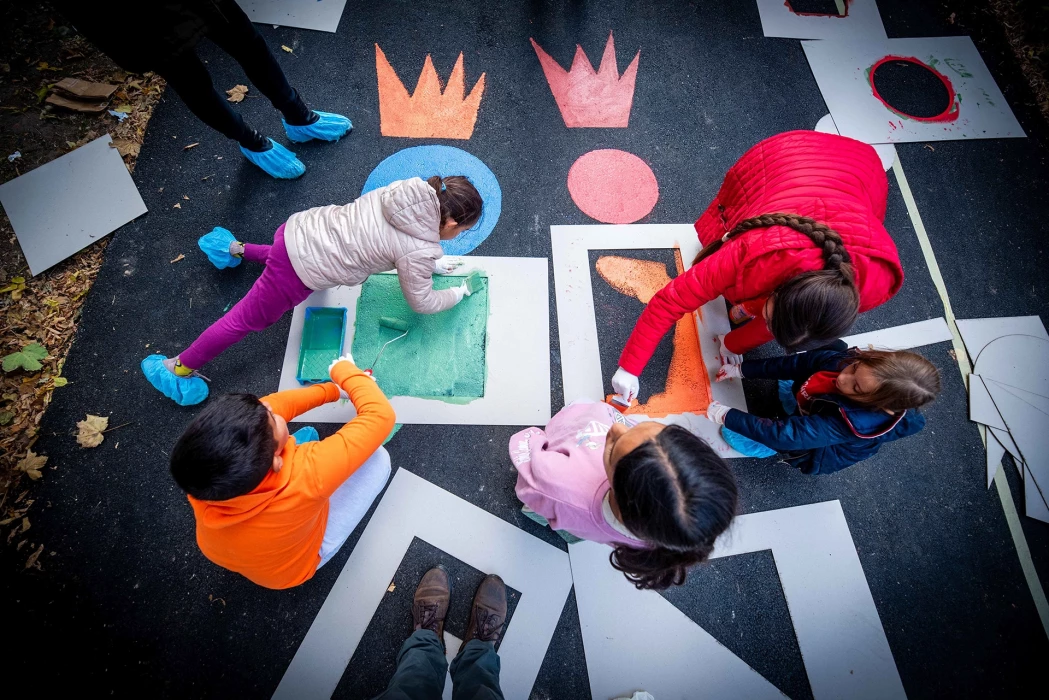
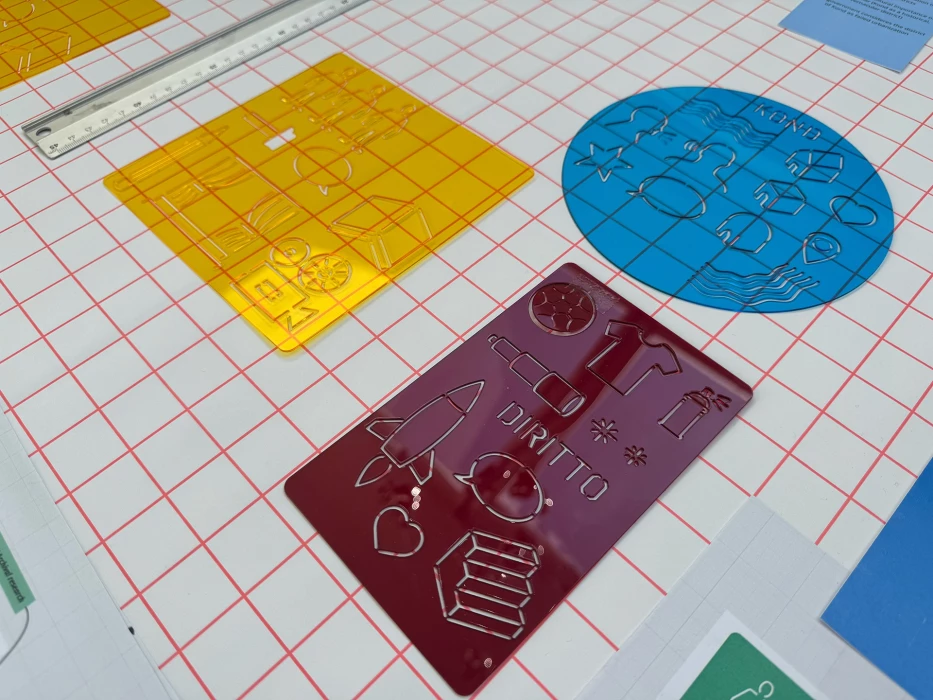
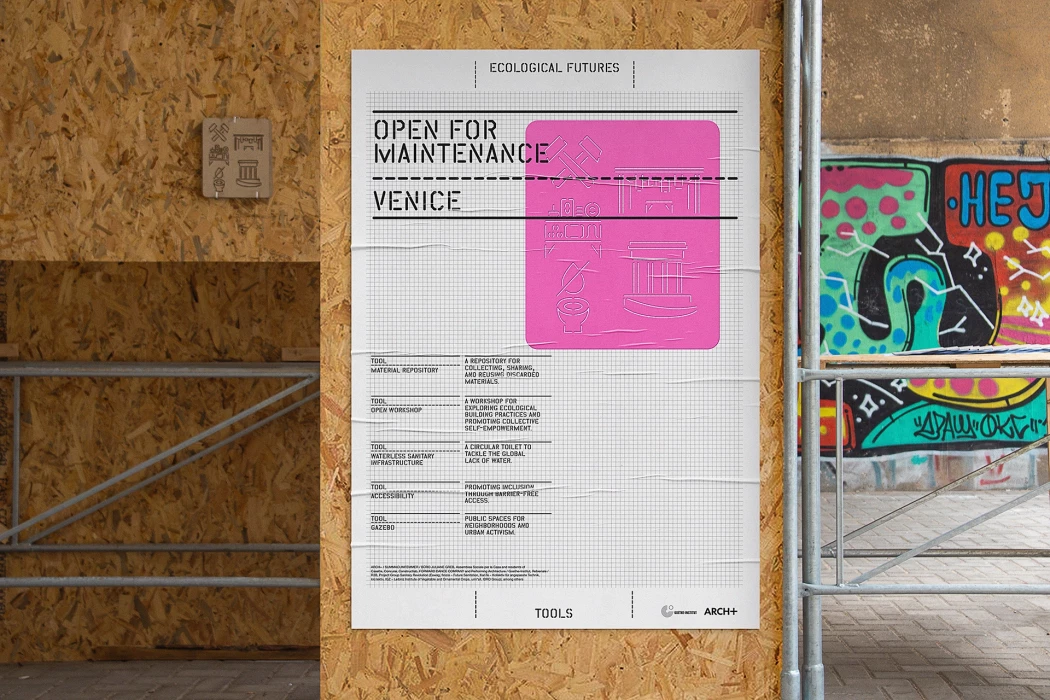
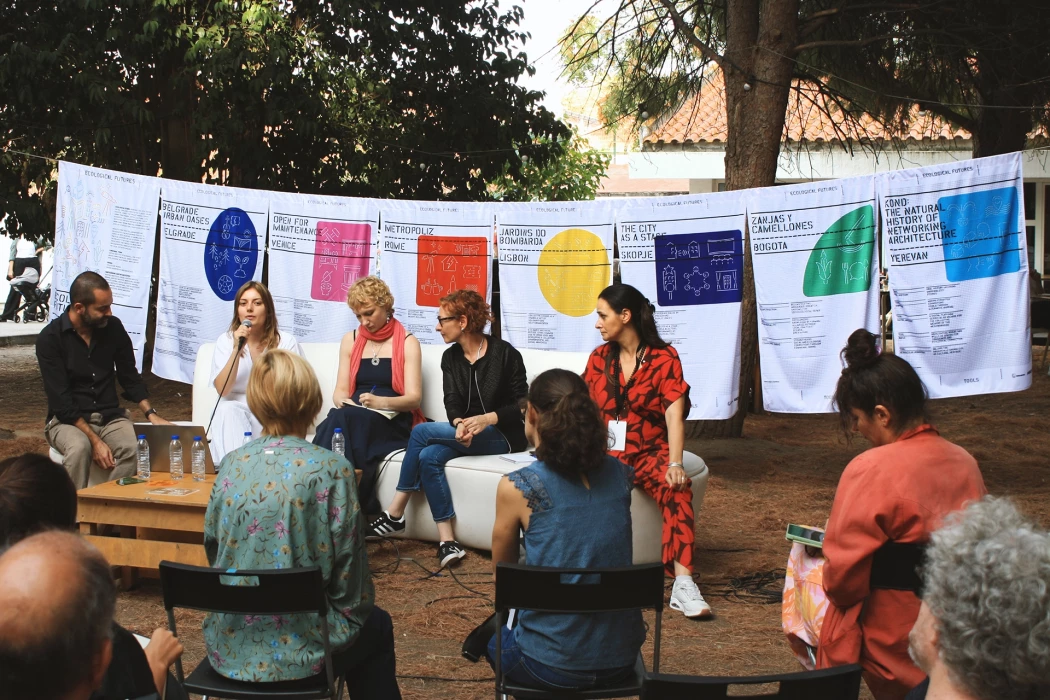
As a collaboration between Metropoliz / Museo dell’Altro e dell’Altrove di Metropoliz_città meticcia, the Goethe-Institute Rome, Museo delle Periferie, Deutsche Akademie Rom Villa Massimo, and ARCH+, the project Un’altra casa (A Different House) created a public forum on the future of the site in 2024. Together with the participants and contributors including Jörg Leeser/BeL, Social Impact Studio con gli studenti della HSD Peter Behrens School of Arts, PlanBude, and raumlabor with María dilemas / María García, tools were applied that enable residents to actively take part in shaping the planning process.