The project Zanjas y Camellones in Bogotá demonstrates how Indigenous knowledge systems—long marginalized by coloni- alism and extractivist logics—offer new perspectives for the fu- ture.
In recent decades, post-socialist cities such as Skopje have been increasingly shaped by neoliberal urban transformation and the privatization of public space. In response, artist and architect Filip Jovanovski and curator and researcher Ivana Vaseva launched the project If Buildings Could Talk in 2015, which later became The City as a Stage. Both projects aim to preserve and strengthen public space as a site of democratic participation and social exchange.

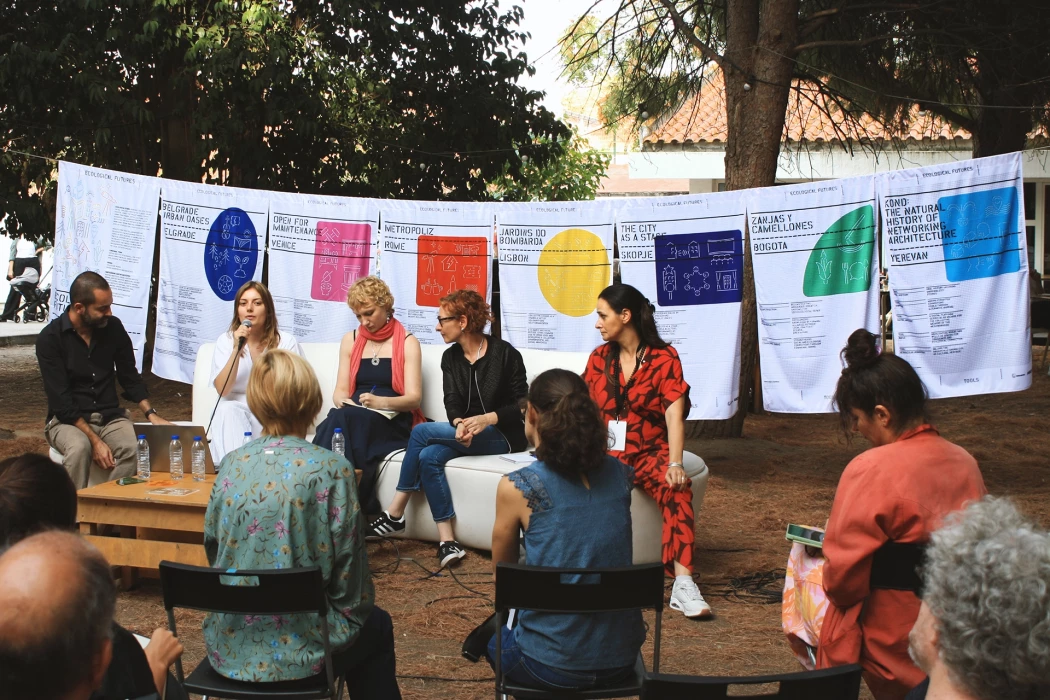
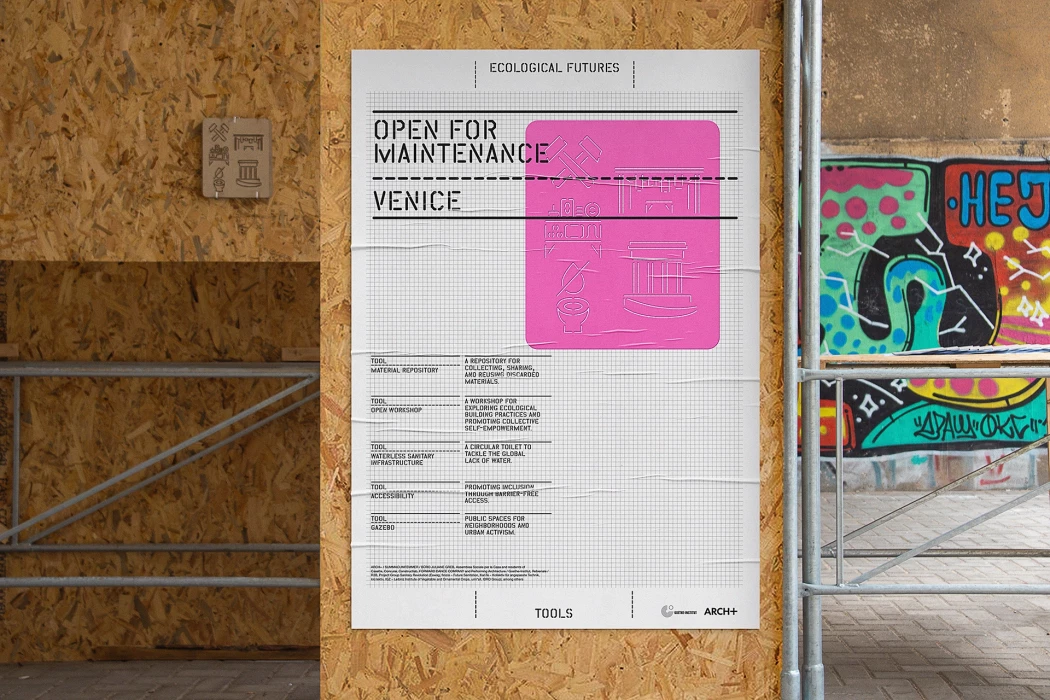
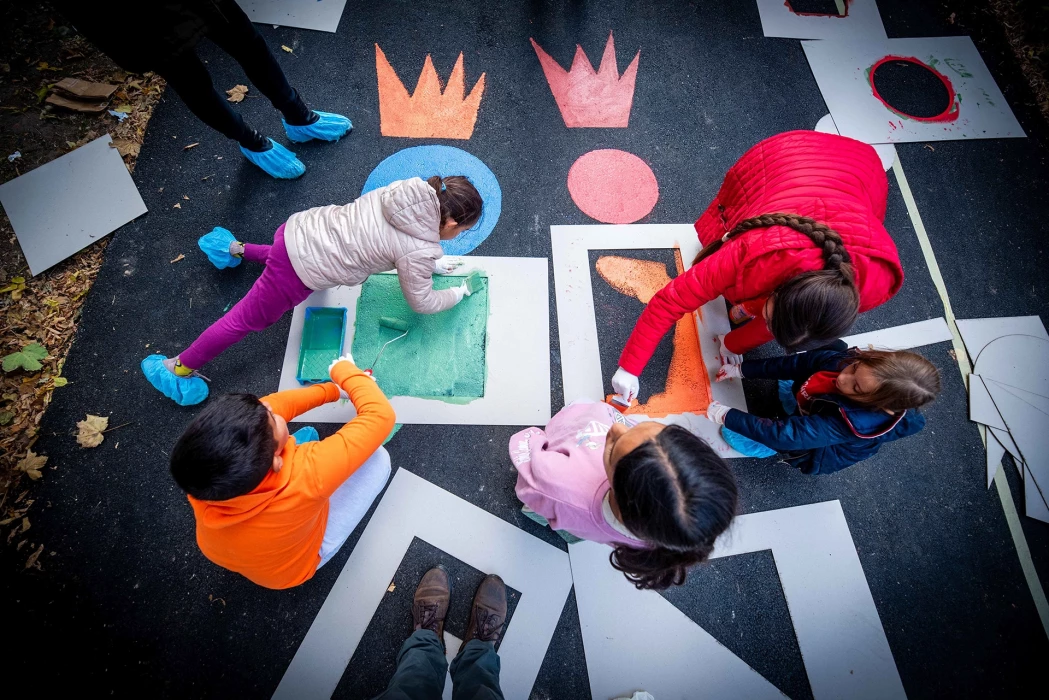
More specifically, they seek to reactivate and revitalize the former cinema space of the building known as the Railway Residential Building in Skopje, built between 1934 and 1946 by architect Mihail Dvornikov for employees of the Yugoslavian railway. A key method in this process is performative urban research, or “Reading Buildings.” Through theater performances and interdisciplinary art projects, it makes visible the hidden historical entanglements and suppressed narratives of the city’s urban fabric. The City as a Stage understands art as a means of engaging with the social and political challenges of urban development. The project fosters community, solidarity, and the right to the city—values that have come under increasing pressure through the political developments of recent decades.