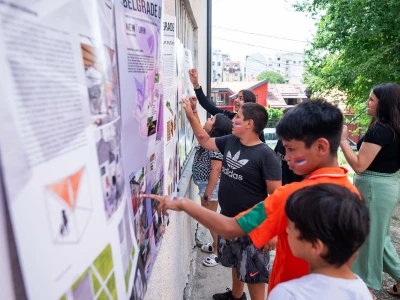
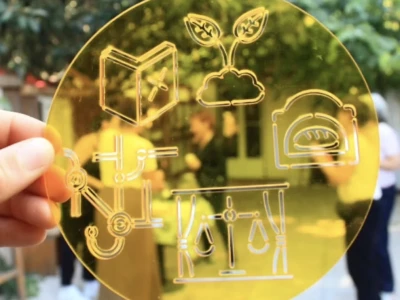
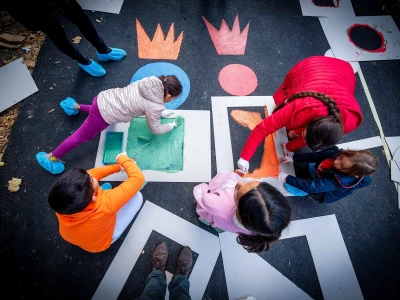
How local knowledge, collective memory, and everyday practices can shape the futures of urban transformation
Cities are often understood through what is visible: buildings, infrastructures, maps, and plans. Yet every city also contains another layer of knowledge—embedded in memories, routines, relationships, and the ways people adapt their surroundings over time.
These invisible archives reveal alternative ways of understanding urban development. They show how places are continuously shaped not only by architects and planners, but by the people who inhabit them. Through Ecological Futures, researchers, designers, artists, and local communities explore these hidden forms of knowledge and ask: what can cities learn from their own histories?

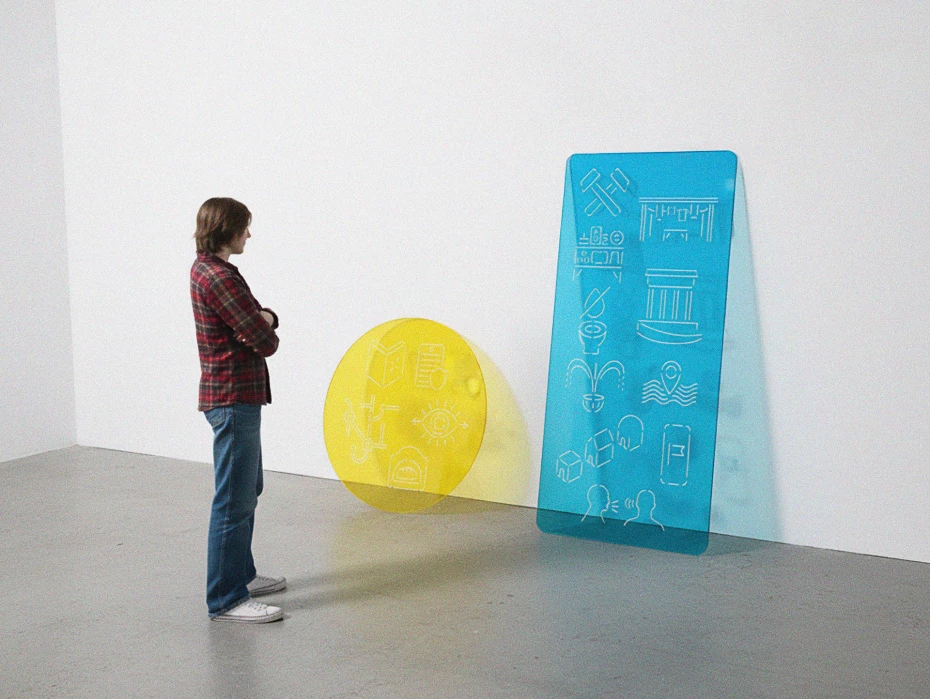
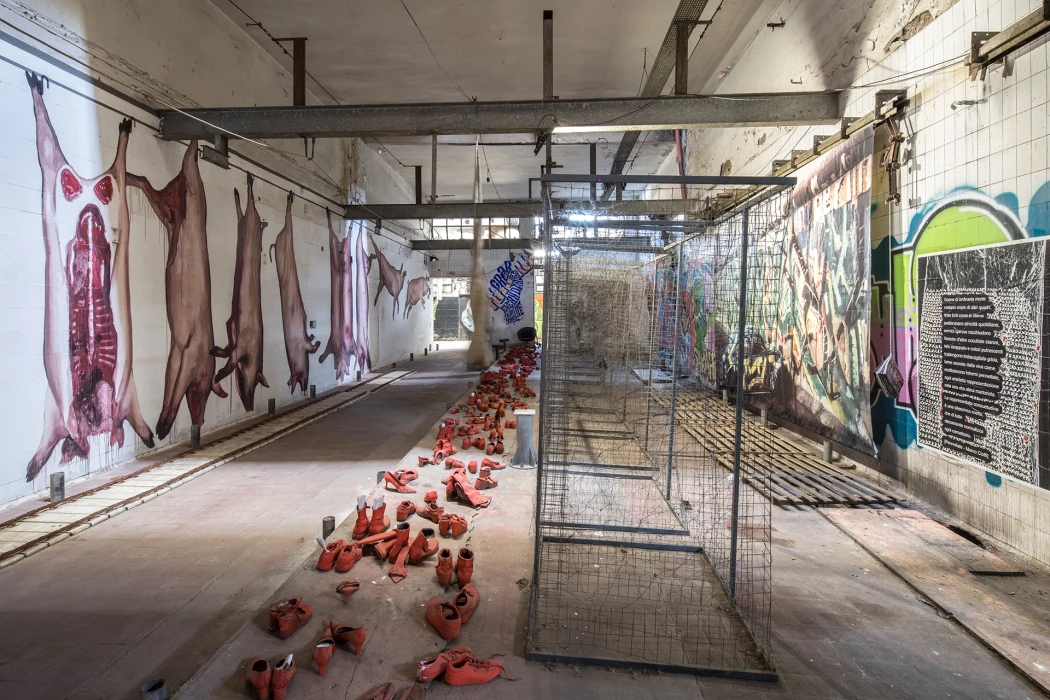
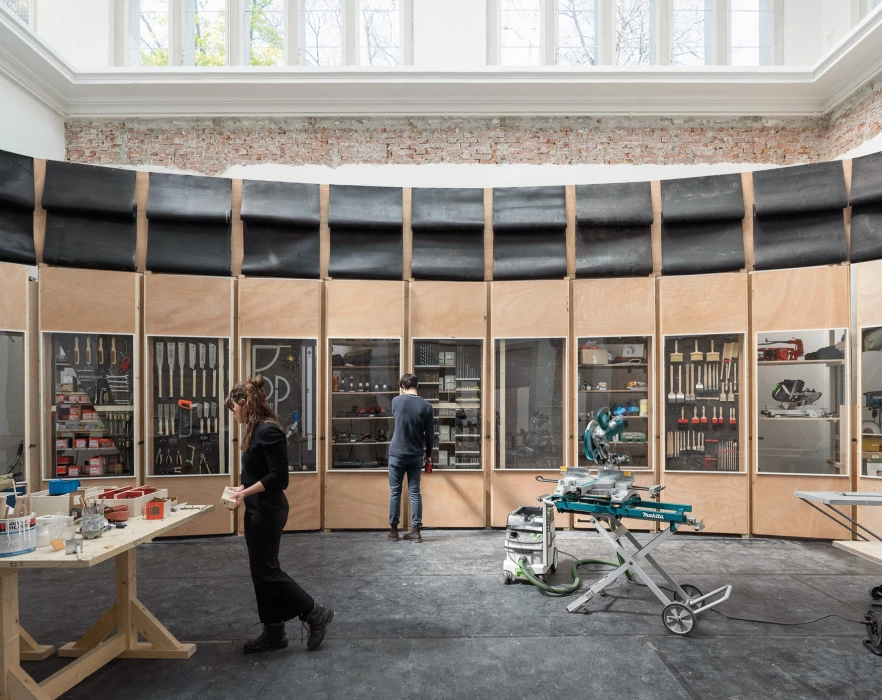
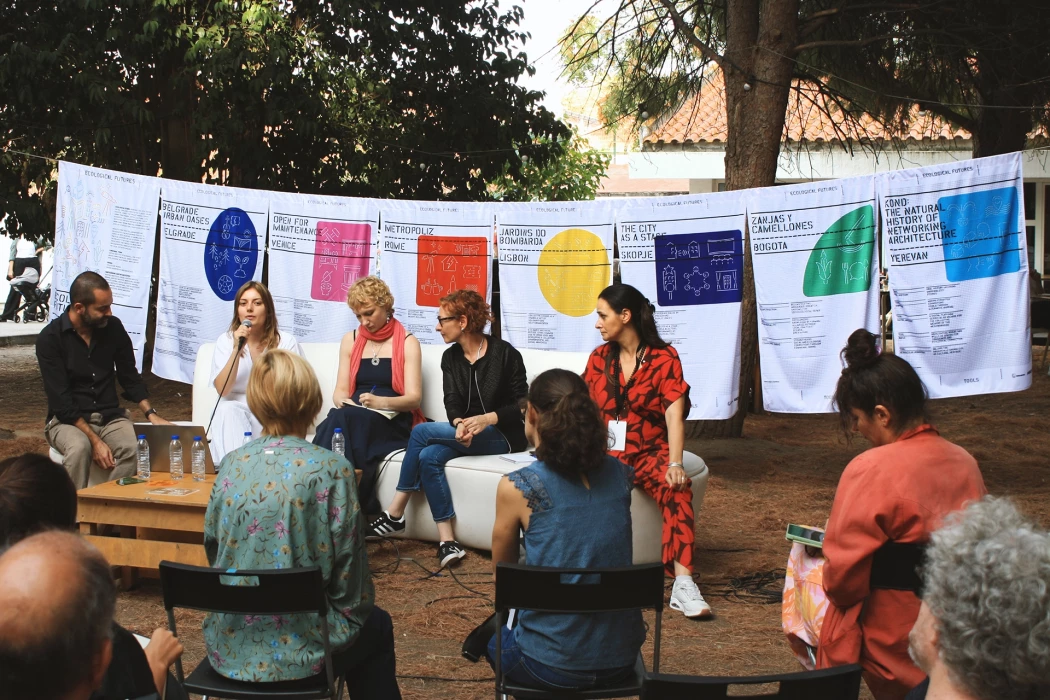
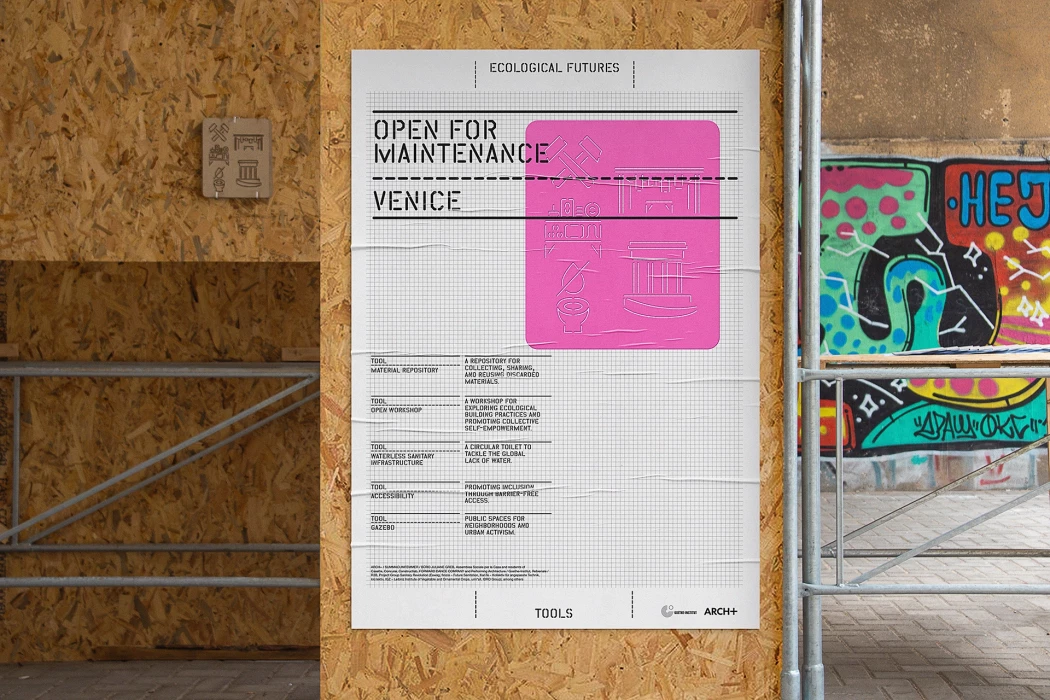
Modern urban planning has often been based on principles of efficiency, control, and predictability. Spaces are designed according to fixed functions: housing, mobility, work, and recreation. But many urban environments develop through different processes. Neighborhoods grow through adaptation, negotiation, and collective action. Residents modify spaces according to changing needs, local conditions, and available resources. These everyday practices often remain invisible within conventional planning systems. Yet they contain valuable knowledge about resilience, social connection, and ecological adaptation.
A city is not only a collection of buildings. It is a living archive of experiences. A courtyard that has become a meeting place. A garden maintained by generations of residents. A pathway created because it connects people in the most natural way. A building adapted countless times to accommodate new forms of living. These transformations tell stories about how people understand and care for their environments. By paying attention to these layers, we can discover qualities that might otherwise disappear in processes of redevelopment.
The challenge for future urban development is not simply to preserve the past, nor to freeze existing situations in time. Instead, it is about learning from the intelligence already present in places. Mapping, storytelling, and collaboration with local communities can reveal alternative approaches to architecture and planning. They allow designers and decision-makers to understand spaces from the perspective of those who use and shape them every day. Rather than asking “What should be built here?”, a different question emerges: “What knowledge is already here, and how can it guide the future?”